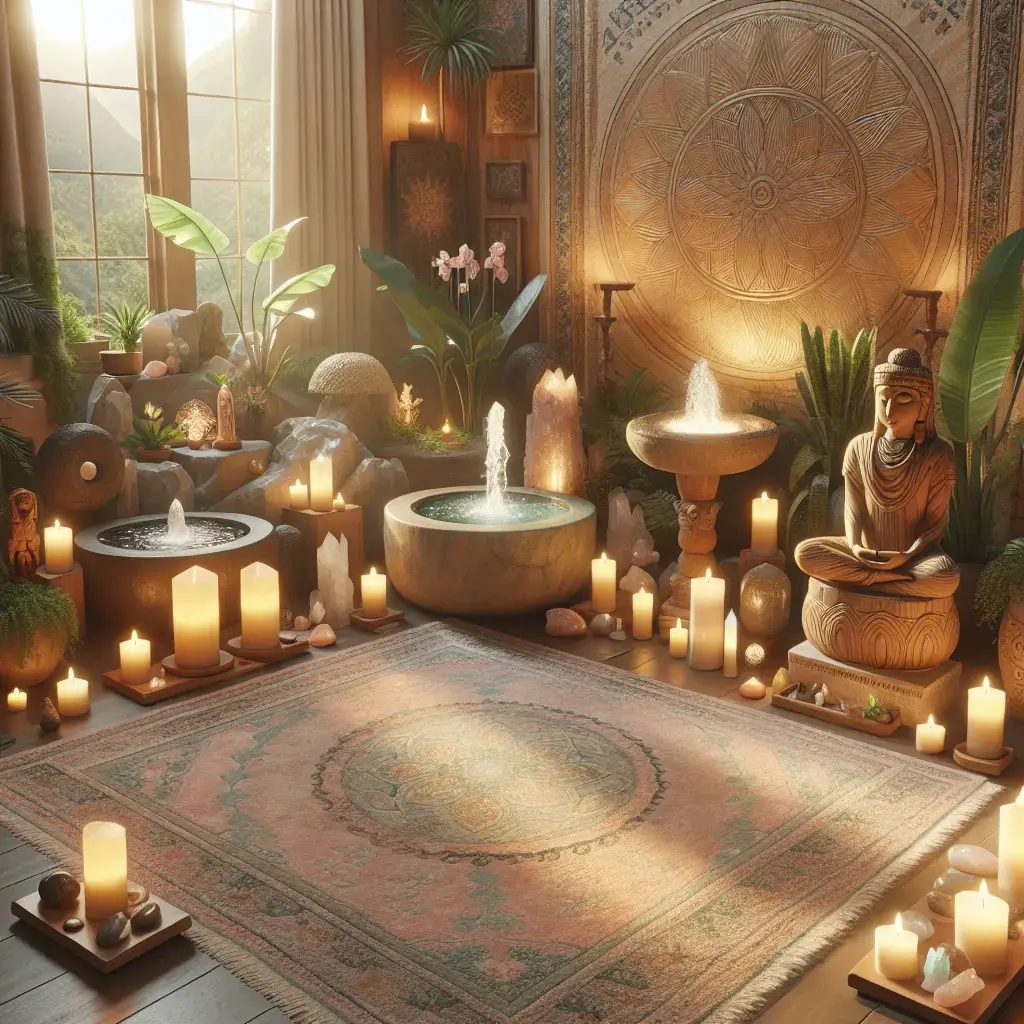
In today's fast-paced world, cultivating a sacred space within your home has become essential for nurturing positive energy and protection. By designing a spiritual sanctuary that aligns with your personal needs, you can transform any area into a haven that promotes mindful living and holistic well-being. This blog post explores the significance of crafting a sacred environment that enhances energy flow and bolsters spiritual and protective energy.
The Historical Context of Sacred Spaces
To appreciate the importance of sacred spaces, we must first explore their historical roots. Throughout history, various cultures have revered specific locations as holy or spiritually significant. From ancient temples to modern meditation spaces, the concept of a sanctuary has always been integral to human spirituality. In contemporary times, the necessity for such spaces persists, especially as societal pressures increase.
An example of this is how modern women are redefining their spaces against societal expectations. Influential figures like Allie Beth Stuckey, who challenges traditional roles through her "Relatable" podcast, highlight how individuals can create environments that reflect their spiritual beliefs and offer protection against societal judgments (source).
Crafting Your Personal Sanctuary
Understanding the Energy Flow
Creating a sacred space involves more than physical rearrangements; it’s about embracing a lifestyle that resonates with your inner self. The energy flow within your sanctuary plays a crucial role in influencing your daily life. Consider how Taylor Swift fans have utilized collective energy in response to J.D. Vance's comments on child-free women, channeling their shared values into a powerful movement (source).
Choosing the Right Elements
When designing your spiritual sanctuary, consider elements that resonate with you. Whether it's through a dedicated meditation space or a carefully curated home altar, each element should be chosen to enhance the spiritual energy and protection you seek. Ava Reid’s reinterpretation of Lady Macbeth provides an intriguing look at how reclaiming personal power can be reflected in our physical spaces (source).
Incorporating Sacred Rituals
Engaging in sacred rituals can purify and cleanse your environment, fostering a space where spiritual protection is at the forefront. Rituals do not need to be elaborate; simple acts like lighting a candle or using incense can invite positive energy. Reflect on Mia Couto's poetic journey, which captures Mozambique's fight for freedom and how personal rituals can become acts of resistance and protection (source).
Modern Influences on Sacred Space Design
Minimalism vs. Elaborate Setups
Sacred space ideas vary widely, from minimalist designs to more elaborate setups. The choice depends on your personal preference and the energies you wish to cultivate. As polarization continues to challenge communities, events like April's total solar eclipse remind us of the power of coming together despite differences, an idea mirrored in creating inclusive sacred spaces (source).
Addressing Contemporary Challenges
Incorporating sacred space design into our lives also means addressing contemporary challenges. For instance, Black women face unique obstacles in maintaining their haircare alongside professional demands. This struggle reflects broader societal pressures, emphasizing the need for personal sanctuaries that offer respite and support self-expression (source).
Case Studies: Transformative Power of Sacred Spaces
Community and Individual Impact
Sacred spaces are not limited to personal use; they can transform communities. For example, in the wake of increased polarization, shared sacred environments can bridge divides and foster unity. The communal experience during the 2024 solar eclipse serves as a testament to this potential for collective healing (source).
Personal Stories of Transformation
Individual stories further illustrate the transformative power of sacred spaces. Consider the impact of spiritual decor on individuals seeking solace from societal judgment or personal turmoil. The growing popularity of creating personalized sanctuaries reflects a broader trend toward mindful living and holistic well-being (source).
Inviting Positive Energy Into Your Life
Harnessing Spiritual Power
By strategically placing objects or invoking sacred rituals, you can harness spiritual power within your environment. This conscious approach allows you to engage with energy healing principles actively, inviting a flow of positive energy that supports your spiritual growth and offers ongoing protection.
Protecting Against Negative Influences
A well-designed sacred space acts as a shield against negative influences. By aligning your surroundings with your intentions, you create an environment that nurtures your spirit and fortifies you against external negativity.
Conclusion: Embracing Your Sacred Space Journey
Creating a sacred space is a profound and personal endeavor that can significantly enhance your life by promoting positive energy and offering protection. Here are some key takeaways to guide you on this transformative journey:
Historical Significance: Recognize the timeless value of sacred spaces across cultures and how modern influencers challenge traditional norms, encouraging personal sanctuaries that reflect individual beliefs and offer protection.
Energy Flow and Design: Focus on the energy flow within your space. Choose elements that resonate with your spirit, whether through minimalist designs or elaborate setups, ensuring they align with your personal values and intentions.
Rituals and Practices: Incorporate simple yet powerful rituals, such as lighting candles or using incense, to cleanse your environment and invite positive energy. These acts can serve as daily practices for spiritual protection and mindfulness.
Contemporary Challenges: Address current societal pressures by designing personal sanctuaries that support self-expression and offer respite from external judgments. Such spaces can become havens for personal and communal healing.
Harnessing Spiritual Power: Use strategic placement of objects and sacred rituals to actively engage with energy healing principles. This conscious approach not only nurtures spiritual growth but also fortifies against negative influences.
As you craft your sacred space, remember that this journey is deeply personal and evolving. Your sanctuary is more than a physical space; it's an embodiment of your path towards inner peace and balance. Let it reflect what truly matters to you, guided by insights from recent cultural trends and societal shifts.
Reflect on how creating your sacred space has impacted your life or share your experiences with others. Your journey can inspire and resonate with those seeking similar transformations.
Thank you for joining me in exploring the significance of sacred spaces. May your sanctuary be a source of strength, positivity, and protection in the fast-paced world we live in.
Author: Lydia Foster